In an unforeseeable world, recognizing just how to save a life can be one of the most empowering skill one can possess. Cardiopulmonary resuscitation (MOUTH-TO-MOUTH RESUSCITATION) is important in emergency situations where every second counts. Having actually educated specialists within your reaches can make a significant difference in dilemma situations. In this thorough guide, we look into CPR methods every person should know and give insights obtained from our substantial courses.
Understanding CPR: What Is It?
Cardiopulmonary resuscitation, or CPR, is an emergency procedure performed when a person's breathing or heart beat has quit. The main goal of mouth-to-mouth resuscitation is to bring back blood flow to the mind and other important body organs, successfully preventing fatality or major brain damage.
The Importance of Understanding CPR
Why should you find out mouth-to-mouth resuscitation? According to the American Heart Association, virtually 350,000 heart attacks take place outside of a medical facility in the united state every year. When performed quickly, mouth-to-mouth resuscitation can double and even triple a victim's possibility of survival.
Types of Cardiac Arrest Situations
Medical Emergencies: Sudden heart attack due to underlying health issues. Accidents: Situations like drowning or choking that result in loss of consciousness. Trauma: Such as serious injuries from crashes that disrupt regular heart function.Each circumstance needs details actions that are covered thoroughly in our first aid courses.
Who Needs to Find out CPR?
It's important for numerous groups to contend the very least fundamental expertise of CPR:
Parents and Caregivers: To safeguard youngsters and elderly family members. Teachers and Coaches: For guarding students and professional athletes during activities. Healthcare Professionals: As part of their task requirements. General Public: Any person thinking about being planned for emergencies.First Help Program vs. mouth-to-mouth resuscitation Course
While several could assume that first aid programs cover every little thing related to emergencies, they frequently concentrate on more comprehensive topics such as wound treatment and shock management. Alternatively, committed CPR training courses dive deeply right into strategies specific for cardiopulmonary resuscitation.
Key Elements of Efficient CPR
Understanding the vital components will enhance your ability throughout an emergency scenario:
1. Examining the Situation
Before delving into action, it's critical to ensure your safety and security and after that evaluate the sufferer's condition:
- Check if the person is responsive. Call for assistance if they're unresponsive. Assess breathing; if missing or irregular, plan for CPR.
2. Upper body Compressions
Proper upper body compressions are basic in any kind of mouth-to-mouth resuscitation strategy:
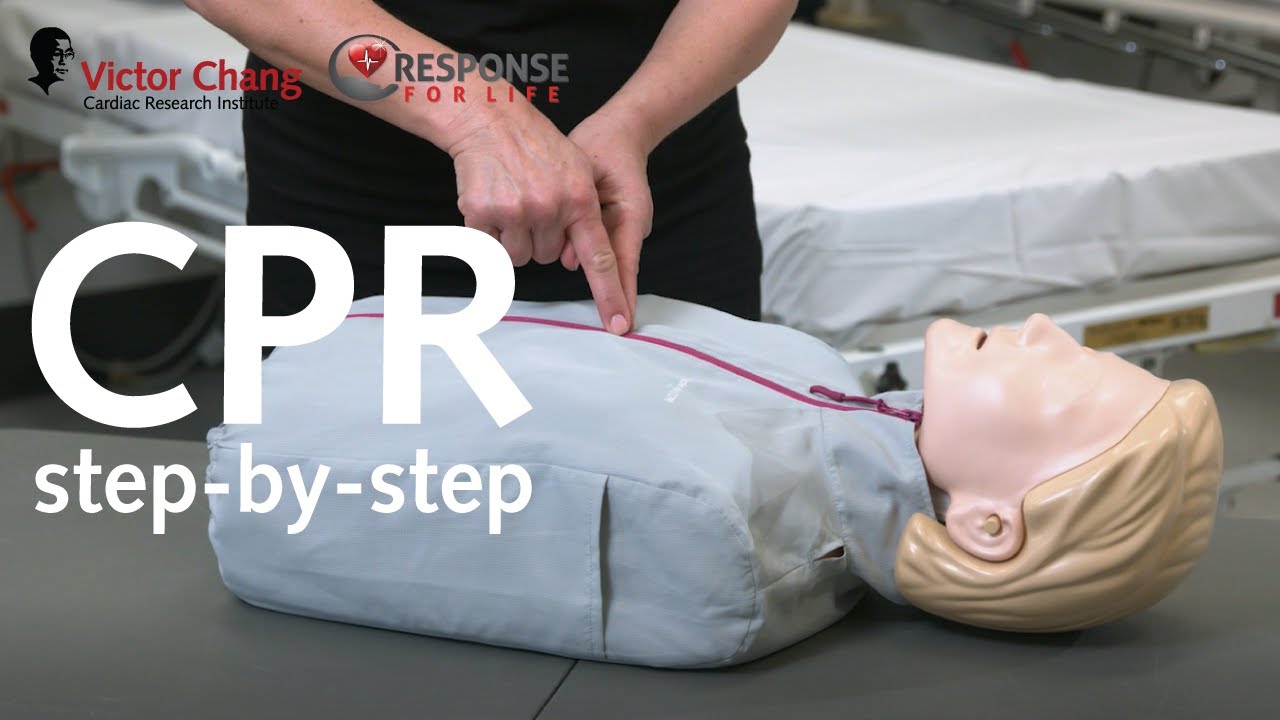
- Position your hands correctly-- one in addition to the other at the center of the chest. Compress hard and fast at a rate of 100-120 compressions per minute. Allow complete recoil in between compressions to be effective.
3. Rescue Breaths
If you're trained and willing to execute rescue breaths:
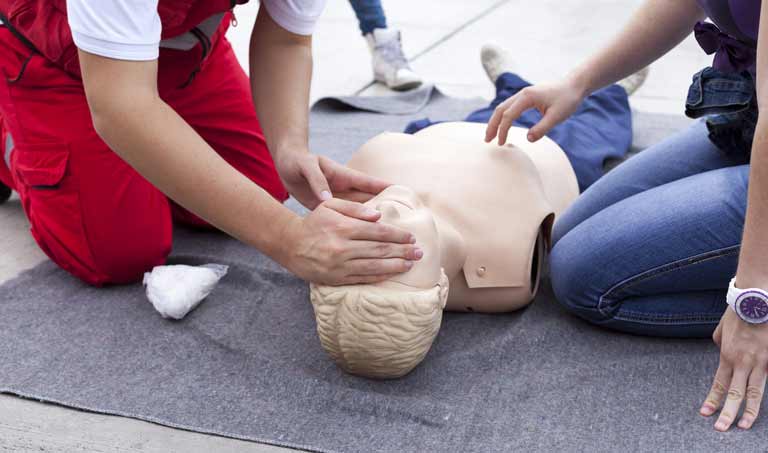
- Open the respiratory tract using the head tilt-chin lift method. Pinch the nose shut, make a complete seal over their mouth, and offer two breaths (each lasting concerning one second).
4. AED Usage
An Automated External Defibrillator (AED) is a lifesaver:
- Turn it on as soon as it's available. Follow voice triggers thoroughly-- this tool overviews you with each step.
CPR Strategies Everybody Should Know: Insights from Our Courses
Through our training courses, we infuse not simply strategies yet also self-confidence in individuals' abilities to act decisively during emergency situations. Each session highlights sensible scenarios in addition to functional hands-on training vital for mastering these skills effectively.
Real-Life Circumstances in Educating Sessions
Incorporating real-life circumstances into our first aid and mouth-to-mouth resuscitation program permits students to picture their reactions when faced with real emergency situations:
A child choking on food at a restaurant. A grown-up experiencing cardiac arrest in a public setting. A pal breaking down during exercise.This immersive technique makes certain individuals are well-prepared when it really matters.
The Role of Emergency treatment Certificates
Upon finishing our emergency treatment and mouth-to-mouth resuscitation course, participants get a certification that verifies their abilities and knowledge:
- This certification functions as proof of expertise in dealing with emergency situations. Many companies require accreditations for details duties-- particularly those involving caregiving or public safety.
Frequently Asked Concerns Regarding CPR Techniques
1. What's the excellent compression-to-breath ratio?
For adults, it's 30 compressions followed by 2 rescue breaths; for youngsters and infants, it's typically similar unless defined or else based on training guidelines.
2. How much time need to I do mouth-to-mouth resuscitation prior to asking for help?
If you're alone with an adult that requires aid, phone call emergency situation services right away after starting mouth-to-mouth resuscitation given that time is critical.
3. Is it risk-free to do mouth-to-mouth resuscitation on someone that might have been injured?
Yes! The advantages far outweigh possible threats-- if someone is unresponsive without indicators of breathing, start doing CPR immediately while awaiting specialist help.
4. Can I obtain sued for performing CPR?
Good Samaritan legislations secure those offering aid voluntarily during emergency situations versus lawful repercussions unless gross negligence occurs.
5. Do I need special training to utilize an AED?
No! AEDs are designed for layman use-- local child care first aid training Hobart easy guidelines direct individuals via its operation effectively.
6. Just how typically must I refresh my training?
It's recommended to refresh your abilities every 2 years since guidelines may alter gradually based on brand-new study findings.
Conclusion: Take Action Today!
Mastering life-saving skills like CPR isn't simply valuable; it's important! Whether you're checking into emergency treatment programs or particularly concentrated on protecting an emergency treatment certification through strenuous training programs, take cost now! You could be the distinction in between life and fatality when every 2nd counts!
By involving with these useful sources today-- not only do you enhance personal safety-- yet likewise add favorably towards area strength versus medical emergencies experienced day-to-day throughout numerous settings! Remember this journey begins with taking that primary step in the direction of learning more about efficient CPR techniques every person ought to know!
This write-up offers a comprehensive summary intended not only as an informative guide but also as inspiration motivating visitors towards positive engagement with life-saving education and learning possibilities tailored particularly around CPR techniques everyone must know alongside their associated first help courses guaranteeing readiness in all times when faced with unexpected dilemmas calling for speedy action coupled along with self-confidence garnered from appropriate training experiences received throughout various program offerings reviewed herein!
